The Term “Koteka” is in Malay language as used in Indonesia. These are local names used in West Papua and Papua New Guinea:
1. Kebe, Walak
2. Kebewak, Lani
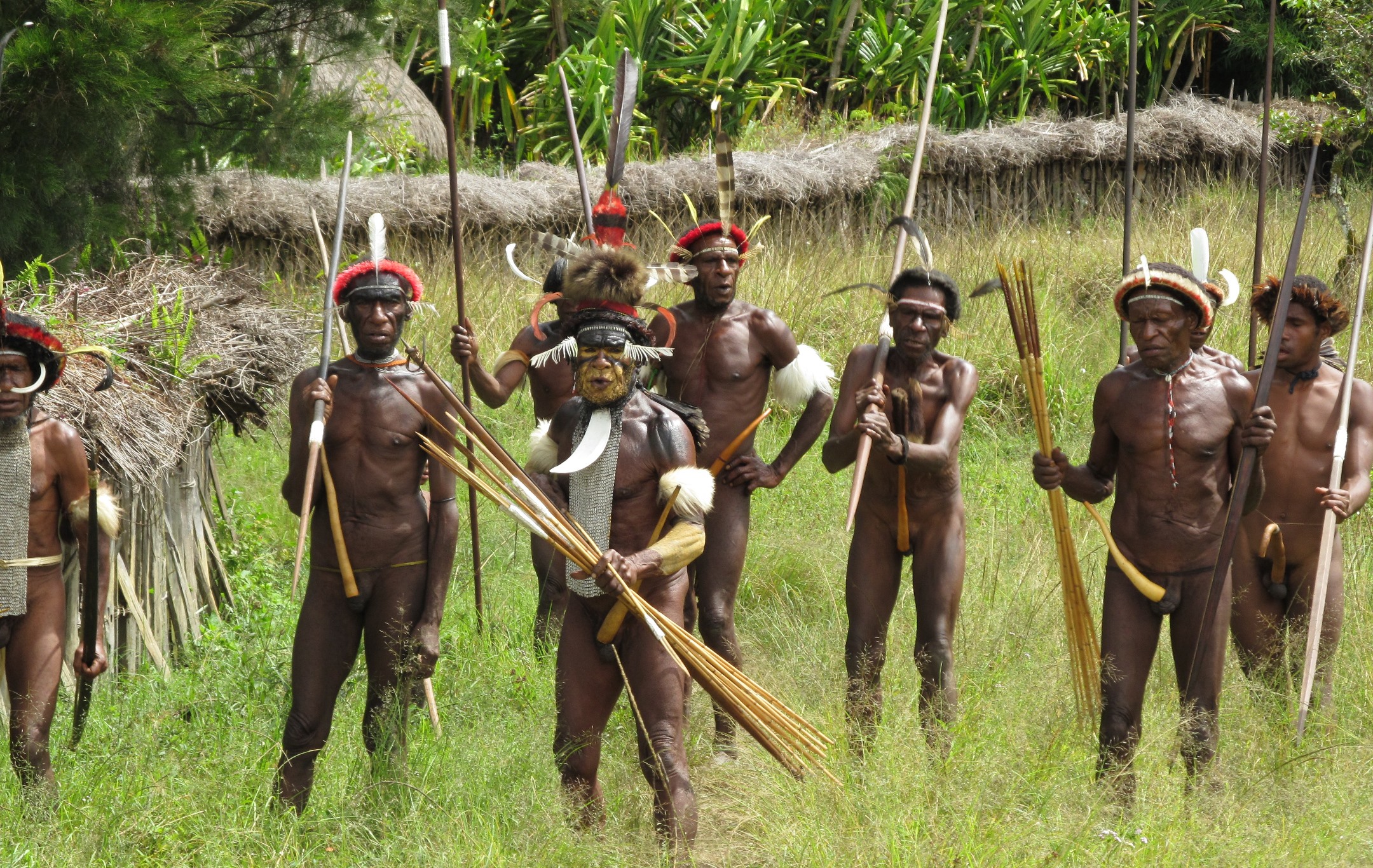
3. Holim, Hubula/ Kobodla/ Hupla (which foreigners and anthropologists call Dani)
The koteka and sel kambang are traditional male genital coverings worn by indigenous communities in the New Guinea highlands, serving as important cultural symbols of identity, status, and heritage.
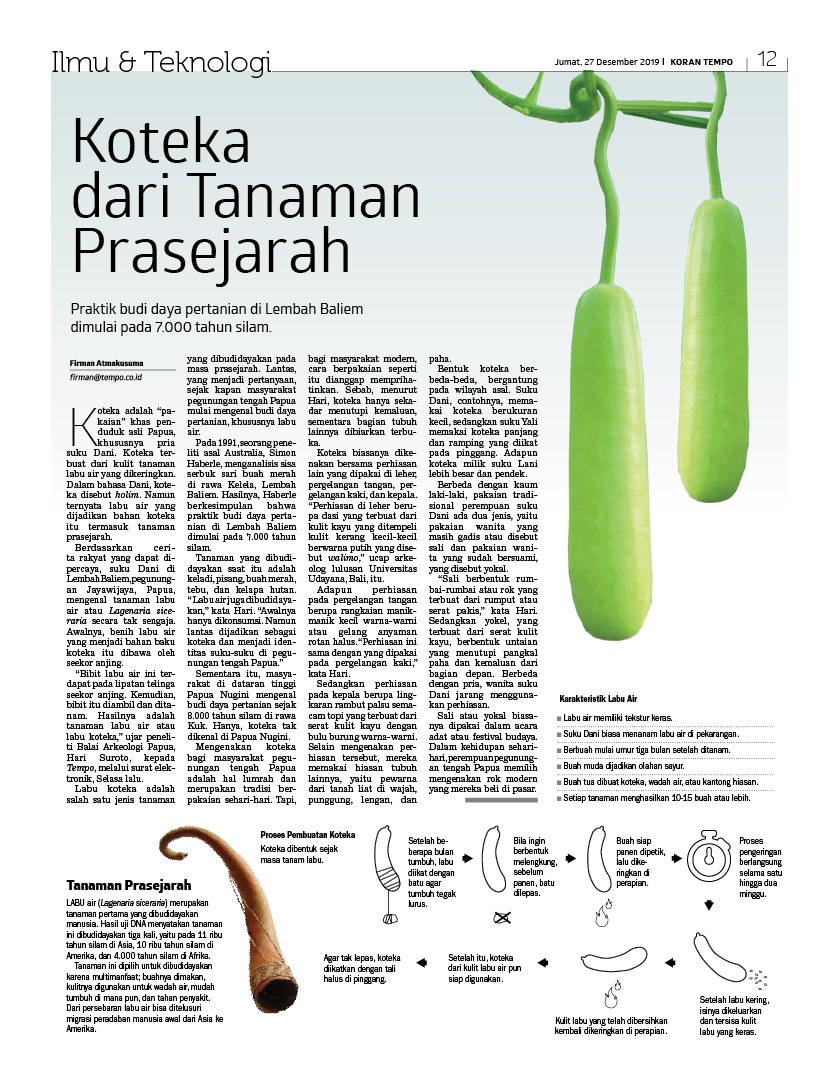
The Koteka (Penis Gourd)
Material: Crafted from the dried, hollowed-out skin of a mature bottle gourd (Lagenaria siceraria).
Attachment: Secured upright or at an angle using a fine string tied around the waist and a smaller loop secured to the scrotum.
Symbolism: Different lengths, shapes, and angles often denote tribal identity, personal style, or social standing within groups like the Dani, Yali, and Lani. You can read more about its regional context on Wikipedia.
It is called Sell Kambang in Papua New Guinea, Koteka in West Papua
Material: Made from specialized natural elements, including treated fibers, local roots, tree nuts, and traditional ornaments used by specific groups in regions like the Sandaun Province. [1, 2, 3, 4]
Usage: Worn during traditional ceremonies, rites of passage, and cultural celebrations like the annual Sel Kambang cultural events. [1, 2, 3]
Heritage: Acts as a distinct marker of identity for local language groups and youth coming of age in the remote northern highland fringes. [1, 2]
The revitalized Art Gallery is set to redefine the cultural landscape of Toronto, serving as a nexus of artistic expression, community engagement, and architectural marvel. The expansion and renovation project pay homage to the Art Gallery’s rich history while embracing the future, ensuring that the gallery remains a beacon of inspiration.
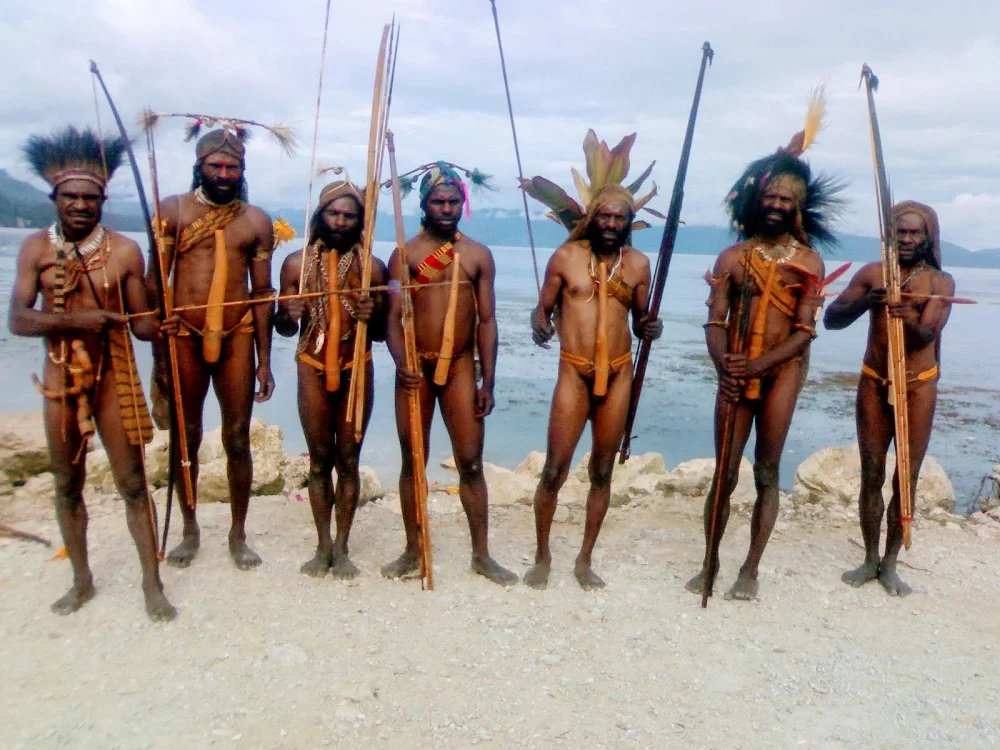
THe above is Mee Tribe wearing Koteka.
There are varieties of Nggiyo (Lagenaria siceraria): long, bending, large, or round. Different tribes will prefer wearing different types of Nggiyo or Kebe.
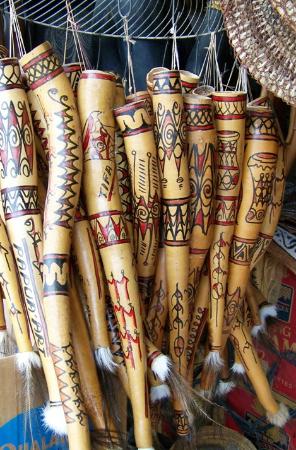
The picture of Kebe below shows decorated Koteka sold at local handycract market in Jayapura, West Papua called Hamadi Market.